Things to Do in Benin in April
April weather, activities, events & insider tips
Low Season · Budget Friendly
April Weather in Benin
Long-run averages for April in Cotonou
87°F (31°C)
High Temp
81°F (27°C)
Low Temp
2.6 inches (66 mm)
Rainfall
77%
Humidity
11
Sunny-Day UV
⚠ High UV index requires consistent sun protection.
⚠ Sudden, strong afternoon thunderstorms can occur.
Is April Right for You?
Weigh the advantages and considerations before booking
Advantages
- + Benin's heat in April is still manageable. The warmth sits on your skin rather than suffocates. Mornings feel almost cool at 81°F (27°C). By noon, temperatures climb to that steady 87°F (31°C) plateau. This is the last month before the true wet season. You get the lush greenery without the daily deluge.
- + Crowds are still relatively thin. You'll have the stilt villages of Ganvie mostly to yourself. The queues at the Temple of Pythons in Ouidah are non-existent compared to the winter tourist rush. Locals call this the 'quiet season' for a reason.
- + The air in April carries the scent of wet earth and blooming frangipani. That sweetness gets washed away once the heavy rains hit. You can still hear the rhythmic chopping of cassava in roadside kitchens. The distant call to prayer from Cotonou's Grand Mosque comes through clearly. Peak-season chatter hasn't drowned it out yet.
- + This is shoulder season pricing at its best. You'll find better rates on everything from guided tours to beachfront lodgings. Everything is still open and running full schedules. This sweet spot disappears by June.
Considerations
- − The humidity in Benin is the real story, not the temperature. At 77%, the air feels thick, almost drinkable. Your clothes will stick to you by 10 AM. Anything not made of quick-dry fabric will feel damp all day. This isn't dry heat.
- − Afternoon thunderstorms roll in with little warning. These are not the all-day rains of summer. Expect sudden, violent bursts that turn Cotonou's sandy streets into instant rivers for twenty minutes. If you're caught without cover, you'll be soaked to the bone.
- − The Atlantic swell along Benin's coast starts to build in April. The water is still warm at around 82°F (28°C). Swimming at beaches like Fidjrosse can get rough. Boat trips to quieter spots might be canceled if the wind picks up.
Best Activities in April
Top things to do during your visit
Benin in April sits at a quiet hinge in the seasonal calendar. The month runs warm, with average highs of 87 degrees Fahrenheit. The air feels heavier than in the dry months. It carries the scent of damp earth and the first promise of coming rains. With an average of 2.6 inches of rainfall, showers are brief. They can arrive with sudden intensity. The red laterite roads in Cotonou steam under the returning sun. This is not a month for major festivals. It is a time of preparation and daily rhythm. You'll see fishermen on the lagoon mending their nets. You'll hear the rhythmic pounding of yam in family compounds. These activities continue regardless of passing clouds. April in Benin has a chance to engage with places without peak season crowds. The skies shift from brilliant blue to dramatic grey in moments. Visitors curious about events in April will find the calendar relatively clear of large organized gatherings. This allows deeper focus on the country's lasting cultural landmarks. The lack of scheduled festivals turns attention toward local life in places like the stilt village of Ganvie or the historic Portuguese fort in Ouidah. It is an ideal period for structured exploration through guided tours. These provide context and access to sites that define the region. Questions about things to do, whether in the capital or smaller towns like Akassato, are best answered by looking to guided experiences. They connect you to the authentic pulse of the country during this transitional season.

Private Full-Day Cultural Tour in Cotonou Ganvie and Ouidah
day_tripThis private tour condenses the essential southern Benin experience into a single, immersive day. You'll glide through the calm waterways of Lake Nokoué. You'll see the wooden houses of Ganvie perched on stilts. You'll hear the calls of merchants in pirogues. The journey then turns to Ouidah. You can walk the solemn, sandy Path of the Slaves under a canopy of trees. You'll feel the weight of history. Then you'll encounter the vivid, handcrafted Vodou statues in the sacred forest.
It delivers the profound contrast between Benin's resilient aquatic communities and its important role in Atlantic history.
Insider tip: Request an early morning departure from Cotonou to experience Ganvie's waterborne market at its most active, before the afternoon heat intensifies.
This month: The brief April rains can make the sandy path in Ouidah slightly firmer underfoot than in the deep dry season.

Electric Bike Tour EN Cotonou
guided_experienceAn electric bike tour has a breezy, intimate way to navigate the large streets of Cotonou. You'll feel the humid coastal air on your skin as you zip past the busy Dantokpa Market. You'll smell the smoky scent of grilled fish. You'll see mountains of colorful printed fabrics. The quiet motor allows you to hear the city's layers, the honking of zemidjan moto-taxis, the beat from roadside speakers, and the waves crashing on the shore near the fishing port.
It provides a local's-eye view of Benin's largest city. You cover more ground than a walking tour without the barrier of a car window.
Insider tip: Wear closed-toe shoes to protect your feet from dust and debris on the urban roads.

Private tour of Benin 3 days (Cotonou, Lake Ganvie, Ouidah)
private_tourThis three-day private tour allows for a more measured and deep engagement with Benin's coastal culture. You'll spend a full day absorbing the aquatic life of Ganvie. You'll taste freshly grilled capitaine fish from a lakeside restaurant. You'll have time to contemplate the monuments of Ouidah without rush. The itinerary typically includes the towering Temple of Pythons. You might feel the cool, smooth skin of a non-venomous python draped over your shoulders.
The extended timeframe transforms a sightseeing trip into a cultural immersion, with room for spontaneous discovery.
Insider tip: Use your private guide's knowledge to arrange a sunset pirogue ride on Lake Nokoué, when the water turns golden and the village noises soften.
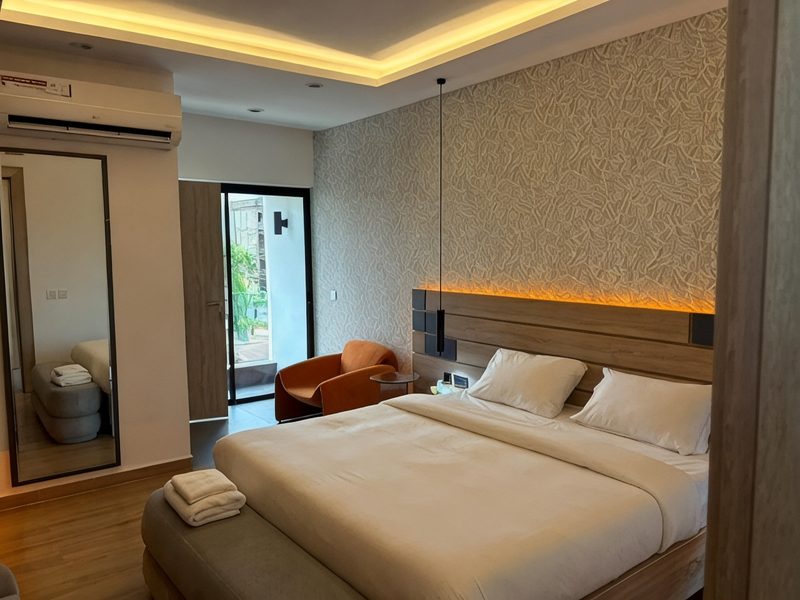
Where to Stay in Benin in April
Hand-picked hotels across price tiers for April travellers.
Public Holidays in April
Dates that affect opening hours, transport and crowds
Easter Sunday
Observed nationwide as a public holiday.
Easter Monday
Observed nationwide as a public holiday.
Packing Checklist
Bookmark this page — your progress is saved between visits
Need the full list with shopping links?
Climate-specific gear, brand recommendations, and what to leave at home.
View Benin Packing List →Essential Tips
Insider knowledge and common pitfalls to avoid
Insider Knowledge
Eat like a local. Follow the sun. Breakfast means sweet, fried beignets and strong Nescafé. Lunch at 1 PM brings pâte (maize or yam dough) with sauce when heat peaks. Dinner stays lighter. Think grilled fish or chicken after evening cool-down.
Skip the mass-produced masks. The best souvenir is authentic craft. Visit the artists' village in Abomey-Calavi or craftsmen near Fondation Zinsou in Cotonou. Find handcrafted bronze statues or appliqué textiles that tell historical stories.
Forget rigid itineraries. Benin runs on African time. A 9 AM pickup might mean 9:30. Build buffer into your day. Use extra moments to people-watch from a roadside maquis (open-air bar).
Carry small bills of West African CFA franc. Taxis, market stalls, and small vendors rarely have change for large notes. Credit cards fail outside major hotels and select restaurants.
Avoid These Mistakes
Avoid over-scheduling. Heat, humidity, and cultural pace limit you. Two major activities per day is realistic maximum. You will exhaust yourself trying to do more.
Never underestimate transportation times. Google Maps distances deceive. A 30 km (18.6 mile) trip can exceed one hour due to traffic, road conditions, and slowdowns through villages.
Do not drink only bottled water. You are missing the national social drink. Try tchakpalo (fermented millet beer) or sodabi (local palm spirit). Sample them with a guide or trusted local.
Ready to plan your trip to Benin?
Now that you've got the research covered, here's where to go next.
Explore More Activities in Benin
Didn't see anything interesting yet?
Browse Viator's full catalog of tours, day trips, food experiences, and private guides in Benin.
See All Benin Tours on Viator