Things to Do in Benin in December
December weather, activities, events & insider tips
Shoulder Season · Good Value
December Weather in Benin
Long-run averages for December in Cotonou
87°F (30°C)
High Temp
78°F (26°C)
Low Temp
0.8 inches (20 mm)
Rainfall
75%
Humidity
8
Sunny-Day UV
⚠ Very high UV on sunny days: use sunscreen and seek shade at midday
Is December Right for You?
Weigh the advantages and considerations before booking
Advantages
- + The harmattan haze starts to lift in December. The air loses that dusty, dry-season grit. You get to see the full sweep of the sky over places like the Route des Pêches. Sunrises turn into clear, sharp affairs over the Atlantic.
- + This is the end of the rainy season. The landscape around places like the Pendjari National Park still holds that deep green lushness. You don't have to slog through the thick, cloying mud that defines the earlier wet months.
- + December sits right before the peak tourist influx that hits around Christmas and New Year's. Accommodation availability is still decent. The major sites in Ouidah and Abomey aren't yet packed.
- + The sea temperature off the coast near Cotonou is surprisingly warm and calm. Conditions are good for spending long afternoons on the stretches of sand at Fidjrosse. Consider a boat trip out to the quieter islands.
Considerations
- − The humidity drops from its oppressive wet-season highs. Still, 75% in Cotonou means the air feels thick and warm by midday. It's the kind of heat that settles on your skin. A cold Coke from a roadside vendor feels like a minor miracle.
- − This is technically the start of the high season. Flight prices from Europe tend to creep upward as the month progresses. Expect increases in the latter half as people aim for Christmas holidays.
- − Some of the more remote cultural festivals tied to specific voodoo deities or harvest cycles have wrapped up by December. You might miss the intense, drum-heavy ceremonies that happen earlier in the dry season.
Best Activities in December
Top things to do during your visit
In Benin, December is a distinct turn in the seasonal rhythm. The air, still thick with warmth, carries a drier edge as the country settles into the peak of its long dry season. The average high temperature of 87 degrees Fahrenheit offers constant, enveloping heat. The scant rainfall, a mere eight-tenths of an inch for the entire month, means the red earth roads harden. The lush greenery from earlier rains begins to take on a more subdued, golden hue. This is a time of clear skies and reliable sun. The Atlantic breezes along the coast provide a welcome counterpoint to the equatorial warmth. Locals often take advantage of this predictable weather for outdoor work and social gatherings. The landscape feels more open and accessible under the persistent blue sky. The climate data shows this is the driest month alongside January. That is a sharp contrast to the drenched months of June and October. Movement between regions becomes notably easier. This atmospheric shift makes December a practical window for exploring the varied textures of Benin, from its Atlantic shoreline to its inland waterways and sacred forests. The reliable conditions are good for the immersive, full-day excursions that reveal the country's complex character. Travelers can plan confidently. They'll know the weather is unlikely to disrupt itineraries focused on cultural sites and outdoor exploration. The questions visitors bring about safety and activities find their context in this stable season. Navigating both cities and rural areas becomes more straightforward. The following experiences are designed to connect you with the places that define Benin, from the busy economic capital to towns central to its spiritual heritage.

Private Full-Day Cultural Tour in Cotonou Ganvie and Ouidah
day_tripThis private tour condenses the profound contrasts of southern Benin into a single, full-day narrative. You'll glide through the quiet canals of Ganvie, a village built entirely on stilts where you hear the gentle lap of water against wooden poles and see fishermen casting nets from their pirogues. Later, the atmosphere shifts in Ouidah. You'll walk the somber, sand-covered Route des Esclaves, feeling the weight of history underfoot before smelling the earthy incense within the Sacred Forest, a place of whispered prayers and towering, ancient trees.
It has a visceral journey from a unique aquatic community to the poignant epicenter of the Atlantic slave trade and living Vodou tradition.
Insider tip: Engage your guide to explain the symbolism of the statues in the Sacred Forest. Each figure is a specific spirit or historical lesson not immediately apparent to outsiders.

Electric Bike Tour EN Cotonou
guided_experienceAn electric bike tour provides a dynamic, breezy way to absorb the layered energy of Cotonou. You'll weave through the streets, seeing the stark white architecture of the Cotonou Cathedral against the blue sky, hearing the constant hum of zemidjan motorbikes, and catching the tangy, smoky scent of grilled fish from roadside braziers near the Dantokpa Market.
It transforms the city from a landscape to be passed through into an intimate, sensory experience accessible at a gentle pace.
Insider tip: Wear closed-toe shoes to protect your feet from dust and debris kicked up on the less-paved lanes you'll explore.

Private tour of Benin 3 days (Cotonou, Lake Ganvie, Ouidah)
private_tourThis three-day private tour allows for a more measured immersion into Benin's coastal heart. You'll have time to absorb Lake Ganvie, feeling the cool mist off the water during a morning pirogue ride and tasting freshly grilled lake fish. In Ouidah, you can contemplate the Door of No Return at sunset, hearing the Atlantic waves crash, and spend a second day examining the museum at the Portuguese Fort or the rhythms of local craft workshops.
The extended itinerary replaces hurried sightseeing with genuine reflection and connection at each storied site.
Insider tip: Request a stop at a local fabric vendor in Cotonou. Your guide can help you select authentic, wax-print cloth and explain the meanings behind common patterns.

10-Day Tour: At the Heart of the Vodou Festival in Benin & Togo
guided_experienceYou'll witness elaborate ceremonies filled with rhythmic, pounding drumbeats, see devotees in colorful regalia entering trance states, and smell the distinctive scent of ritual offerings. The tour extends into Togo, offering a comparative view of these shared traditions.
It provides outstanding, structured access to one of West Africa's most significant and powerful cultural events.
Insider tip: Pack a scarf or shawl. It is useful for sun protection, modesty when required, and as a respectful cover for your head in certain sacred spaces.
This month: This tour is scheduled for the Vodou Festival period, which historically falls in early January. December travel is for arrival and preparation for the event itself.
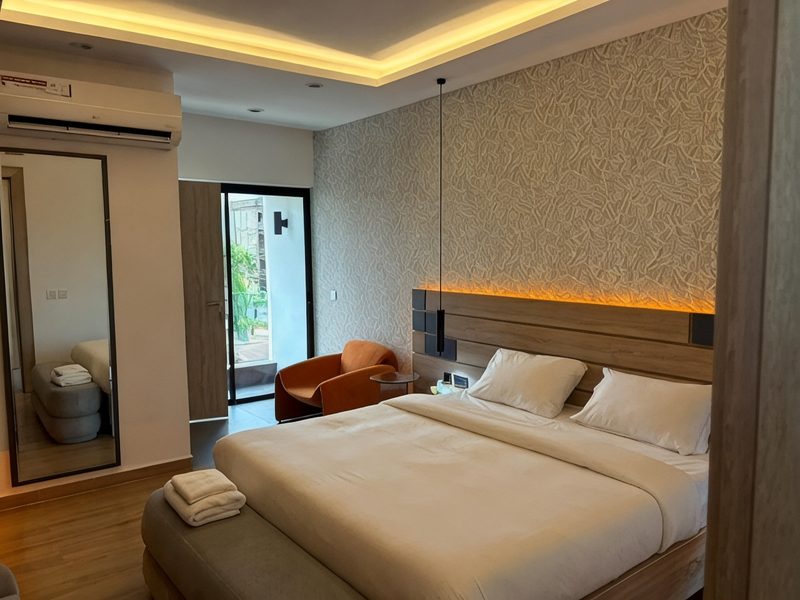
Where to Stay in Benin in December
Hand-picked hotels across price tiers for December travellers.
Public Holidays in December
Dates that affect opening hours, transport and crowds
Christmas Day
Observed nationwide as a public holiday.
Boxing Day
Known in English as St. Stephen's Day. Observed nationwide as a public holiday.
Christmas Day
Observed nationwide as a public holiday.
Boxing Day
Known in English as St. Stephen's Day. Observed nationwide as a public holiday.
Christmas Day
Observed nationwide as a public holiday.
Boxing Day
Known in English as St. Stephen's Day. Observed nationwide as a public holiday.
Packing Checklist
Bookmark this page — your progress is saved between visits
Need the full list with shopping links?
Climate-specific gear, brand recommendations, and what to leave at home.
View Benin Packing List →Essential Tips
Insider knowledge and common pitfalls to avoid
Insider Knowledge
Visit the Door of No Return in Ouidah late afternoon, just before sunset. The crowds of day-trippers have usually left. The light is dramatic. You will have the emotional weight of the place more to yourself.
If you are offered a tasting of sodabi (local palm wine), take it. Know this: the clear, younger version is mildly sweet and effervescent. The aged, amber-colored variety packs a serious punch and tastes almost smoky.
Skip the main stretch at Fidjrosse on a Sunday afternoon when it is packed. Go early on a weekday morning instead. Head to the beaches further west toward Ouidah. You will share the sand with fishermen mending nets.
At Dantokpa Market, do not just stick to the periphery. Venture into the dedicated food section. See (and smell) the pyramids of dried shrimp, the baskets of fresh okra, and the women pounding fufu. It is a culinary education in itself.
Avoid These Mistakes
Do not underestimate the sun and heat. Even at 30°C (87°F), the combination of humidity and strong UV means you can get dehydrated and sunburned quickly. Plan your major outdoor activities for early morning or late afternoon.
Do not try to pack too many different regions into a short trip. The roads between Cotonou, Ouidah, Abomey, and the north are improving but can still be slow. It is better to explore the southern region than to spend all your time in a vehicle.
Do not be shy with street food. The grilled plantains (allocos), the bean fritters, the skewers of meat: these are where you will taste Benin. Pick stalls that are busy with locals. High turnover means fresh food.
Ready to plan your trip to Benin?
Now that you've got the research covered, here's where to go next.
Explore More Activities in Benin
Didn't see anything interesting yet?
Browse Viator's full catalog of tours, day trips, food experiences, and private guides in Benin.
See All Benin Tours on Viator