Things to Do in Benin in March
March weather, activities, events & insider tips
Shoulder Season · Good Value
March Weather in Benin
Long-run averages for March in Cotonou
87°F (31°C)
High Temp
81°F (27°C)
Low Temp
2.3 inches (58 mm)
Rainfall
77%
Humidity
11
Sunny-Day UV
⚠ Atlantic beaches carry strong currents and rough surf. Swim with extreme caution. Better yet, avoid swimming altogether. Stay safe.
⚠ Clear days bring UV index 11. Sun protection is medically necessary here. It is not optional. Cover up.
Is March Right for You?
Weigh the advantages and considerations before booking
Advantages
- + March lands at the tail end of Benin's long dry season. You get reliably sunny days. The Atlantic light hits Ouidah's colonial facades with real sharpness. The humidity stays manageable, unlike later months.
- + The main cultural festivals haven't started yet. Visit the Sacred Forest of Kpassè in Ouidah without procession crowds. You'll hear only leaves rustling and the city's distant hum.
- + This is shoulder season for Benin tourism. Accommodation along the Route des Pêches opens up. Quieter quarters of Porto-Novo have more availability than peak European winter.
- + The Harmattan winds have faded by March. Coastal air clears enough to see fishing pirogues bobbing on the horizon from Grand-Popo beaches. No dust haze coating everything.
Considerations
- − Rainfall stays low but March starts the transition. Expect brief, intense afternoon thunderstorms inland. They roll over Dassa-Zoumé's hills with little warning. Red dirt roads turn to slick mud fast.
- − Ocean currents strengthen and grow unpredictable in March. Swimming near Cotonou at Fidjrossè needs more caution. The water churns noticeably, unlike December's glassy calm.
- − Remote parks like Pendjari feel the rainy season approaching. Access remains possible. Later March brings higher chances of rerouted safaris from washed-out tracks.
Best Activities in March
Top things to do during your visit
Benin in March sits between the long dry season and the heavier rains to come. The air feels thick and warm, with average highs reaching 87 degrees Fahrenheit. The rains are still modest, offering brief, intense showers that leave the laterite roads smelling of damp earth and the foliage a deeper, more saturated green. This is a month of preparation in many coastal communities. Fishermen mend nets along the lagoon shores in Cotonou. Markets stock the last of the dry season's produce before the agricultural calendar turns. Visitors will find a country moving at its own steady rhythm. Roads are fully passable. The humidity has not yet hit its most oppressive peak. It is a practical window for extensive exploration. Safety in Benin is often asked about. As in many places, it centers on situational awareness in urban areas and using registered guides for in-depth cultural excursions. What you will do in Benin is often tied to its profound history and living traditions. You can visit the stilted village of Ganvie. You can walk the somber history of the slave route in Ouidah. The food in Benin is a compelling reason to visit. Smoky grilled fish is served on the roadside. The tangy, fermented flavor of igname pilé, pounded yam, is found in local eateries. Benin's beaches, like the stretch near the fishing port of Cotonou, are not the country's primary draw. They offer a place to feel the Atlantic breeze and watch colorful pirogues bob on the waves.

Private Full-Day Cultural Tour in Cotonou Ganvie and Ouidah
day_tripcondenses essential southern Benin into one immersive day. You will see the dense, canal-laced stilt village of Ganvie. You will hear the slap of water against wooden poles. Later you will walk the sandy path of the Slave Route in Ouidah under a canopy of gnarled trees, feeling a profound quiet. The tour often includes the Python Temple. There you might feel the cool, smooth skin of a sacred snake draped over your shoulders.
This tour has a direct encounter with three pillars of the region's identity: a busy modern port city, a unique aquatic community, and a pivotal historical site of the Atlantic slave trade.
Insider tip: Engage your guide to arrange a private pirogue ride in Ganvie early in the day, before the main boat traffic churns the lagoon water and when the light is softest for photographs.

Electric Bike Tour EN Cotonou
guided_experienceprovides a breezy, agile way to navigate the city's energetic streets and quieter lagoonside corners. You will hear the constant chorus of moto-taxis and feel the humid air rush past as you glide past markets overflowing with busy fabric and smell the charcoal smoke from roadside grills. The ease of an electric assist lets you cover more ground than on foot. You will reach places standard tours often miss.
It transforms urban exploration from a passive drive to an engaged, sensory experience where you are part of the city's lively flow.
Insider tip: Wear closed-toe shoes to protect your feet from dust and debris, and bring a bandana to cover your nose and mouth on unpaved side streets.

Private tour of Benin 3 days (Cotonou, Lake Ganvie, Ouidah)
private_tourallows for a deeper, more relaxed pace to absorb the contrasts between Cotonou, Lake Ganvie, and Ouidah. You can spend a morning tasting fresh coconut water from a vendor in Ganvie. You can spend an afternoon feeling the rough texture of the Door of No Return monument. You can spend an evening listening to the rhythmic beat of a local drumming ensemble arranged by your guide. This expanded itinerary avoids the rush of a single-day trip.
The extra time fosters meaningful interaction with communities and provides space for reflection on the heavy history encountered.
Insider tip: Use the flexibility of a private tour to request a stop at a local fabric dyer's workshop in Ouidah to see how the bold, wax-print textiles are made.
This month: March falls in a drier period than the coming months, making road travel between these sites more reliable and comfortable.

10-Day Tour: At the Heart of the Vodou Festival in Benin & Togo
guided_experienceis an intense, curated journey into the spiritual heart of the region, timed around specific annual celebrations. Participants will see elaborate ceremonial costumes. They will hear the hypnotic, driving rhythms of ritual drums. They will smell the distinctive scent of ceremonial powders and herbs used in rites. This is not a spectator event but a deep cultural immersion.
It offers rare, guided access to authentic Vodou festivals, providing context and understanding far beyond what an independent traveler could arrange.
Insider tip: Pack conservative, neutral-colored clothing out of respect for ceremonial spaces, and always ask your guide before taking any photographs.
This month: This tour is specifically designed around festival dates, which are typically in January. It is critical to verify exact annual schedules as they can shift.
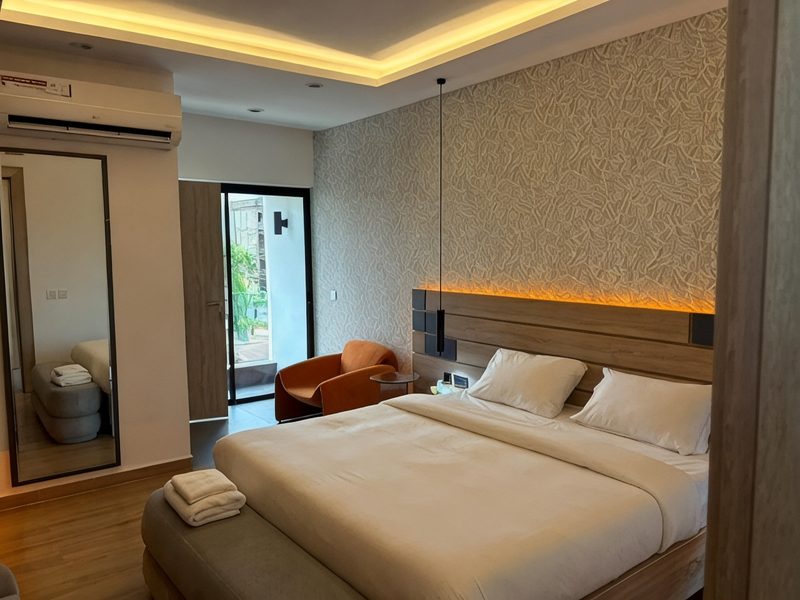
Where to Stay in Benin in March
Hand-picked hotels across price tiers for March travellers.
Public Holidays in March
Dates that affect opening hours, transport and crowds
Easter Sunday
Observed nationwide as a public holiday.
Easter Monday
Observed nationwide as a public holiday.
Packing Checklist
Bookmark this page — your progress is saved between visits
Need the full list with shopping links?
Climate-specific gear, brand recommendations, and what to leave at home.
View Benin Packing List →Essential Tips
Insider knowledge and common pitfalls to avoid
Insider Knowledge
The best street food in Cotonou appears after dark. Skip the noon search. Go out after 7 PM. Look near Gare du Dantokpa for women with massive pots of *akassa*, fermented corn paste served with spicy tomato sauce and fried fish. The taste is sour, tangy, addictive. Seek it out.
Hear a deep, resonant drum in Ouidah's late afternoon? It likely calls adherents to a voodoo ceremony. These are religious events, not performances. You might observe from the periphery if accompanied by a respected local. Never assume entry. Show respect.
For a genuine Porto-Novo experience, bypass the main museums briefly. Visit Musée da Silva on Rue da Silva instead. This quirky, privately-owned house-museum holds a lifetime of collections by a Beninese artist. The owner often gives personal tours. You will hear stories found nowhere else.
On a *zemidjan* motorcycle taxi, helmet laws are now strictly enforced in cities. Your driver should provide one. If he does not, wave him on. Find another. This signals an unlicensed operator. Choose wisely.
Avoid These Mistakes
Do not underestimate the sun. A UV index of 11 is extreme. Cloudy days still burn. You can damage skin badly in 30 minutes. Locals avoid direct sun between 11 AM and 3 PM without shade. Follow their lead.
Avoid packing too much into one day with long drives. Benin's road distances deceive. A 150 km (93 mile) trip can take 3+ hours easily. Plan one major activity or destination daily. Slow down.
Do not assume all "voodoo" experiences equal each other. Ouidah's commercial fetish markets differ from authentic, respectful cultural engagement. Research through reputable guides. Avoid touts. Know the difference.
Ready to plan your trip to Benin?
Now that you've got the research covered, here's where to go next.
Explore More Activities in Benin
Didn't see anything interesting yet?
Browse Viator's full catalog of tours, day trips, food experiences, and private guides in Benin.
See All Benin Tours on Viator