Benin - Things to Do in Benin in May

Things to Do in Benin in May

May weather, activities, events & insider tips

Good time to visit Low Season · Budget Friendly

May Weather in Benin

Temperature, rainfall and humidity at a glance

37°F (3°C) High Temp
35°F (2°C) Low Temp
0.4 inches (10 mm) Rainfall
70% Humidity
⚠ May marks the onset of the first rainy season in southern Benin, with heavy afternoon thunderstorms that can dump 25 mm (1 inch) in under an hour. Flash flooding on unpaved roads, in low-lying parts of Cotonou around the Dantokpa Market area and near Lake Nokoue, can strand vehicles and make walking hazardous. Plan outdoor activities for mornings. ⚠ Malaria risk intensifies significantly with the start of the rains. Mosquito populations spike around standing water, lagoons, and the lake systems near Ganvie and Grand-Popo. Chemoprophylaxis, insecticide-treated bed nets, and DEET-based repellent are essential. Not optional. ⚠ UV index reaches 10 (very high) despite frequent cloud cover. Overcast skies in tropical latitudes filter less UV than travelers from temperate climates expect. Sunburn risk is real. Even on days that feel cool after rain.

Is May Right for You?

Weigh the advantages and considerations before booking

Advantages
  • + May falls in Benin's low season. The major sites, Ganvie, the Royal Palaces of Abomey, Ouidah's Route des Esclaves, are emptier than you've ever seen a UNESCO site. You can paddle a pirogue through Ganvie's canals with your guide and maybe two other visitors instead of a flotilla. Accommodation prices drop noticeably from the December-February peak. Guesthouse owners and local guides have more time, more patience, and more stories when they're not running back-to-back groups. Worth it.
  • + The landscape transforms in May. Early rains turn Benin's red laterite earth almost violently green. Palm groves thicken. Mango trees are heavy with fruit. This is peak mango season. The smell of overripe mangoes on warm pavement follows you everywhere south of Parakou. The savannas of the north still hold enough water to keep wildlife concentrated near Pendjari's rivers. The visual contrast between the burnt-ochre roads and the deep green canopy is something you simply do not get in dry season. Pack rain gear.
  • + Pendjari National Park, Benin's flagship wildlife reserve in the Atakora region, is still accessible in May and arguably at its most rewarding. The park typically stays open through early June before the heaviest rains force closures. Animals congregate around the Pendjari River and its tributaries. Elephants, hippos, West African lions, and kob antelope are easier to spot when they're not dispersed across a dry, open landscape. Morning game drives before the afternoon storms can be extraordinary. Go early.
  • + May's shoulder positioning means you catch Benin between seasons in a way that favors flexibility. The punishing rains come in June and July. May tends to deliver sharp afternoon downpours that clear within an hour, leaving cool, breathable evenings. You get the green without the deluge, the low prices without the full shutdown that later wet season can bring to northern roads. Smart timing.
Considerations
  • The humidity is relentless. At 82% and climbing, May in southern Benin, Cotonou and the coastal strip, feels like walking through warm soup. The heat index pushes well past what the thermometer reads. Even short walks along the Cotonou waterfront leave you soaked. Air conditioning is not standard outside upper-mid-range hotels. Power cuts, known locally as 'delestage', can knock out fans and AC without warning, sometimes for hours. Bring a hand fan.
  • Road conditions deteriorate once the rains set in. The paved Route Nationale between Cotonou and Parakou holds up. Secondary roads to places like Tanougou Falls or the Tata Somba villages in the Atakora can turn into red mud trenches after a heavy afternoon storm. A vehicle that was fine at 10 AM might need pushing out by 4 PM. If your plans include anything off the main north-south corridor, you'll want a driver who knows the roads in rain, not just in theory. Vet carefully.
  • Mosquitoes reach peak aggression in the early wet season. Benin sits in a malaria-endemic zone. May's standing water and warm nights create ideal breeding conditions. This is non-negotiable. Prophylaxis, DEET-based repellent, and sleeping under a treated net are not optional comfort items. They are baseline safety requirements. The whine of mosquitoes at dusk near Lake Nokoue is not ambient atmosphere. It is a medical alert. Take this seriously.

Best Activities in May

Top things to do during your visit

May in Benin slides in under a cool, pale sky. The air snaps with steady humidity that clings to skin. Rainfall stays minimal, a notch above the dry months, so a quick shower can slick the red earth and leave petrichor hanging. This is the calm before the big rains, when daily life in Cotonou keeps its own pace and you can explore without a blazing tropical sun overhead. Conditions stay variable, the perfect word for a visit now. One minute you get clear, thin light over the lagoons. The next, a cool breeze heralds a passing shower. It is a month built for engagement, for digging into the history and living traditions that shape Benin, from the whirl of a Zangbeto dance to the hush at the Door of No Return. The list of things to do points straight to these moments, the ones that let you grasp the country. Travelers ask about safety. Awareness plus a good guide equal the surest route. Beach hunters head to the Atlantic near Ouidah, yet Benin's real pull in May sits inland, among stilt villages and cities where motorbikes buzz beside market cries. This guide sticks to specific, bookable ways into that world, answering what to do with vivid, concrete chances.

Private Full-Day Cultural Tour in Cotonou Ganvie and Ouidah

Private Full-Day Cultural Tour in Cotonou Ganvie and Ouidah

day_trip
4.4 12 reviews from $289

folds Benin's story into one sharp journey. You will hear water slap wooden poles in Ganvie, a village built on a lake, then stand in the hushed, sandy courtyard of Ouidah's Sacred Forest, history pressing down beneath old trees. The day juxtaposes buoyant lake life with the solemn slave-route pilgrimage, a full sensory arc.

Full day. Expensive. Morning start to catch lake light in Ganvie.
It slams you into two UNESCO-listed sites, linking Ganvie's aquatic genius with Ouidah's haunting memoryscape.
Insider tip: Wear sturdy, closed-toe shoes that can get wet during the Ganvie boat transfer and handle Ouidah's sandy paths.
This month: Cool temps make the long hours outside and on water far easier than in hotter months.
Electric Bike Tour EN Cotonou

Electric Bike Tour EN Cotonou

guided_experience
4.9 7 reviews from $77

lets you feel the city's pulse from roaring arteries to quiet lanes. You will hear zemidjan motorbikes everywhere, smell grilled fish drifting off roadside braziers, see printed fabric stacks in Dantokpa Market, all from a smooth, rolling perch. Gliding past the lagoon on two wheels beats any car window view.

Half day. Moderate. Late afternoon, when the city cools and energy rises.
It turns Cotonou's density into an intimate, accessible, exhilarating ride.
Insider tip: Bring a lightweight scarf or jacket for the breeze while riding, in May's cooler air.
Private tour of Benin 3 days (Cotonou, Lake Ganvie, Ouidah)

Private tour of Benin 3 days (Cotonou, Lake Ganvie, Ouidah)

private_tour
4.5 4 reviews from $1500

over three days gives the country time to sink in, moving from commercial capital to spiritual heart. You will spend a night hearing water whisper beneath your Ganvie lodge, taste tangy, spicy local sauce, feel the humid, salt-tinged Ouidah air. The slow itinerary leaves space for reflection and surprise, guided throughout.

3 days. Expensive. Any day booked ahead.
It grants the hours needed to absorb the contrasts between Cotonou, Ganvie, and Ouidah without hurry.
Insider tip: Use the private guide time to press for details on Voodoo roots or Ganvie's founding. Personal stories are the real treasure.
Zangbeto Dance and Cultural Tour in Ouidah

Zangbeto Dance and Cultural Tour in Ouidah

guided_experience
5.0 3 reviews from $289

puts you front-row for one of West Africa's most hypnotic rites. You will hear driving drum rhythms, see raffia-covered Zangbeto figures spin with other-worldly force, feel the crackle of a community gathering rooted in pre-colonial law and spirit. This is living tradition, not tourist theatre.

Half day. Expensive. Scheduled, often late afternoon or early evening.
It delivers rare, authentic access to the powerful Zangbeto tradition central to Ouidah Vodun heritage.
Insider tip: Stand respectfully to the side, not dead center, to catch the full swirl of dancers and crowd interplay.
Cotonou Private Tour

Cotonou Private Tour

private_tour
5.0 3 reviews from $250

tailors the chaos and charm to your whim, whether that is the towering Cathedral of Sainte Cotonou, Dantokpa Market's maze, or the contemporary art scene. You will smell diesel and dried fish at the port, see the Independence Monument gleam, feel cool tiles underfoot at Fondation Zinsou, a spot of modern African art. Custom focus peels back the city's layers.

Half day to full day. Expensive. Morning, when markets thrum.
It has a bespoke intro to Benin's biggest city, zeroing in on what grabs you, be it history, commerce, or art.
Insider tip: If markets tempt you, ask for Ganhi Market first. It is less chaotic than Dantokpa and easier to navigate.
Painting Experience in Cotonou

Painting Experience in Cotonou

guided_experience
5.0 2 reviews from $59

pulls you from observer to maker inside the country's bold visual culture. In a local studio you will watch pigments mixed, feel canvas or board under your brush, hear quiet coaching as you learn techniques rooted in Beninese symbols. You leave with a keepsake memory fixed in colour, not a generic souvenir.

2-3 hours. Budget. Morning or early afternoon, when studio light is best.
It forges a tangible, personal link to Benin's art through hands-on creation with a working artist.
Insider tip: Skill level does not matter. The win is the exchange and the process, not a masterpiece.
This month: The cool, dry studio gives a comfy refuge if a spring shower passes outside.

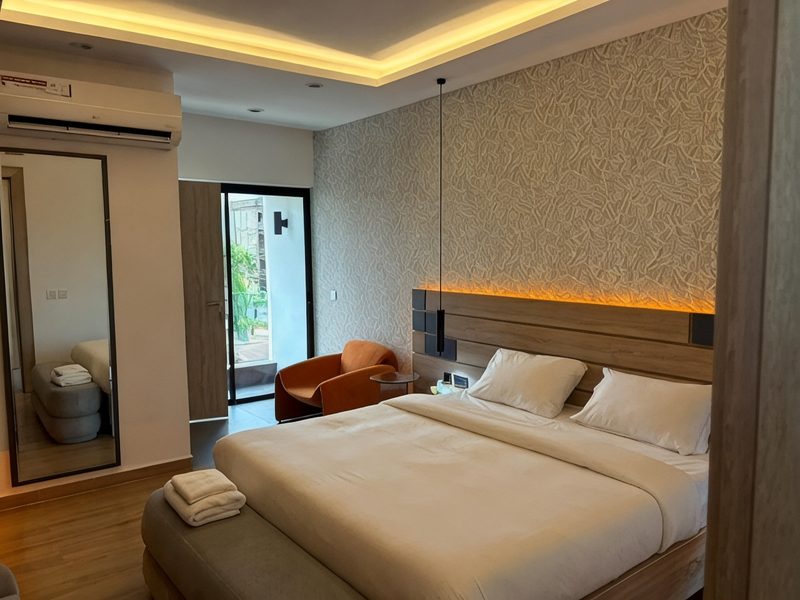
Where to Stay in Benin in May

Hand-picked hotels across price tiers for May travellers.
May Events & Festivals

What's happening during your visit

Throughout May (no fixed dates; community-determined)
Gelede Masquerade Ceremonies

The Gelede tradition runs through early wet season in Yoruba-speaking communities around Ketu, Save, and Pobè in southeastern Benin. UNESCO recognizes it as Intangible Cultural Heritage. These are not staged performances. They are living ceremonies. Female ancestors and spiritual mothers receive honor through carved wooden masks, drumming, and dance. Some masks tower two feet above the dancer's head. Carvings depict daily life, animals, satirical commentary on village politics. The drumming pattern is called 'iya ilu.' Polyrhythmic. You feel it in your chest before your ears catch up. Attending requires local connections. Ask your guide or guesthouse host in Cotonou or Porto-Novo about scheduled ceremonies. No fixed calendar exists. Community events, planting cycles, elder decisions trigger performances. May is possible. Not guaranteed.

Packing Checklist

Bookmark this page — your progress is saved between visits

Need the full list with shopping links?

Climate-specific gear, brand recommendations, and what to leave at home.

View Benin Packing List →

Essential Tips

Insider knowledge and common pitfalls to avoid

Insider Knowledge
The zemidjan motorcycle taxi is Cotonou's circulatory system. Refuse it and you sit in gridlocked car traffic half your trip. Drivers wear numbered yellow or green shirts. Negotiate fares before climbing on. The unwritten rule is simple. Agree on a price. Hold on tight. Do not flinch when they thread between trucks with centimeters to spare. It is the fastest way across the city. Wear a helmet if the driver carries a spare. Many now carry two. Avoid zemidjans after dark. Road lighting disappears. Accident rates climb. Benin's food runs deeper than most travelers expect. The dish to seek out in May is akassa with crab sauce. Akassa is fermented maize dough, dense and slightly sour, wrapped in banana leaves and served with a peppery tomato-crab sauce that burns clean and bright. It is street food in the truest sense. Women sell it from enamel bowls at intersections in Cotonou's Ganhi quarter. The taste of the fermented corn against the heat of the piment is something that does not exist anywhere else in West Africa in quite the same way. Pate noir (a dark, slightly smoky yam flour paste) with sauce arachide (groundnut sauce) is the northern equivalent and worth the drive to Natitingou. Learn five phrases in Fon (the dominant language in southern Benin) and the entire tenor of your trip changes. 'Ah-FON-djie' (hello), 'Ah-do-GAN-ji' (thank you), and 'Eh-NA-mi' (how much?) open doors that French alone does not. Most Beninese speak French as a second language. Greeting someone in their mother tongue signals respect. It usually triggers a grin, a longer conversation, and occasionally a free plate of food. May's afternoon rain creates a daily rhythm that experienced travelers exploit. Mornings are for outdoor activities. Market visits, site tours, game drives. Afternoons are for retreating to a covered terrace with a cold La Beninoise beer while the storm hammers the zinc roof above you. Fighting the rain pattern by trying to push through outdoor plans after 2 PM leads to misery. The locals do not fight it. Neither should you. The hour after the storm, around 4 to 5 PM, when the air cools by five degrees and the streets smell like wet laterite and woodsmoke, is the best time of day in Benin.
Avoid These Mistakes
Trying to cover Cotonou, Ouidah, Ganvie, Abomey, AND Pendjari in less than a week. Benin is roughly 700 km (435 miles) north to south, and the roads, while improving, are not fast roads. Cotonou to Pendjari is a full day of driving. A realistic one-week itinerary covers the southern circuit (Cotonou, Ganvie, Ouidah, Grand-Popo, Abomey) well, or the southern sites plus Pendjari if you are willing to do two long driving days. Cramming both into five days turns your trip into a windshield tour where every site gets ninety rushed minutes. Skipping malaria prevention because the trip feels short. Malaria transmission in southern Benin during the wet season is not a theoretical risk. It is the leading cause of hospital visits in the country. Prophylaxis (typically atovaquone-proguanil or doxycycline) needs to start before arrival. Travelers who decide to 'just use repellent' often regret it by day four when the evening mosquitoes near Lake Nokoue and the Grand-Popo lagoon prove that no amount of DEET replaces pharmaceutical prevention. Confusing the Republic of Benin with Benin City in Nigeria. They are not the same place. Benin City is a Nigerian city in Edo State, roughly 300 km (186 miles) east of Cotonou. If you are searching for flights, accommodation, or travel advice, make sure your results point to Cotonou (Cadjehoun Airport, code COO), not Benin City (airport code BNI). This confusion is more common than you might think. Booking the wrong destination is an expensive mistake.
Explore More Activities in Benin

Didn't see anything interesting yet?

Browse Viator's full catalog of tours, day trips, food experiences, and private guides in Benin.

See All Benin Tours on Viator