Things to Do in Benin in July
July weather, activities, events & insider tips
Low Season · Budget Friendly
July Weather in Benin
Long-run averages for July in Cotonou
81°F (27°C)
High Temp
76°F (25°C)
Low Temp
4.2 inches (107 mm)
Rainfall
83%
Humidity
10
Sunny-Day UV
⚠ Rough surf and strong currents make swimming dangerous at most Atlantic beaches in July.
⚠ Sudden, heavy afternoon downpours cause localized flooding and temporarily wash out unpaved roads.
Is July Right for You?
Weigh the advantages and considerations before booking
Advantages
- + July brings real relief from June's heavy rains. The skies clear more often. You see a startlingly blue Atlantic horizon. The air stays thick with humidity. But loses that oppressive, waterlogged feel that defines the earlier wet months.
- + This is when Benin's southern coast becomes surprisingly navigable. The laterite roads leading to Grand-Popo and Ouidah dry into hard-packed, reddish-brown ribbons. No more muddy trenches like in May or October.
- + Cultural tourism hits its stride. The Voodoo Festival crowds of January are gone. Daily life on the Abomey plateau or in the stilt villages of Lake Nokoué feels more accessible now. Less staged for visitors.
- + You'll find lushness everywhere. The mahogany and kapok trees lining the Route des Pêches glow deep green. Pineapple fields outside Allada smell intensely sweet after morning showers.
Considerations
- − That 83% humidity in Cotonou is tangible. Your shirt clings by 10 AM. A walk along the Boulevard de la Marina becomes a slow, sticky slog.
- − Rainfall drops from June levels, but you're still in the wet season. Afternoon downpours erupt without warning. Market visits turn into dashes for cover. Bike tours get washed out.
- − The Atlantic swell near the Togolese border stays rough and unpredictable in July. Swimming at most beaches west of Cotonou is often unsafe. The famous surf breaks prove inconsistent for all but the most experienced.
Best Activities in July
Top things to do during your visit
Benin in July sits between extremes. The heavy downpours of June have passed. The lingering rains haven't arrived yet. The air feels thick and warm, humidity humming over red earth and green foliage. Sudden, intense showers turn streets to temporary streams. Sunlight follows, making wet leaves and tin roofs gleam. Locals move with practiced rhythm. They know the skies can open without warning. Life accommodates these daily interruptions. Compared to drier months, July offers Benin at its most lush. Damp soil and flowering plants release their scent after each rain. Travel on unpaved routes can become challenging. The climate data shows July is notably cooler than the scorching early year, with average highs around 27 degrees Celsius, and receives significantly less rain than June. This creates a window where exploring outdoors becomes more feasible, though you should always be prepared for a passing shower. Visitors ask about local happenings. They want to connect with the present moment here. The real events are found in daily life, in cities and villages, in markets that operate come rain or shine, in cultural practices that continue year-round.

Private Full-Day Cultural Tour in Cotonou Ganvie and Ouidah
day_tripThis private tour condenses essential southern Benin into one full day, moving from the modern port chaos of Cotonou to the silent waterways of Ganvie and finally to the somber history of Ouidah's slave route. You will hear the putter of a pirogue's motor cutting through the still lake air in Ganvie, a stilt village where life has adapted entirely to water, and later feel the heavy, symbolic weight of the sand beneath your feet on the path to the Door of No Return. The guide provides important context, linking these disparate sites into a coherent narrative of resilience and memory.
It offers an efficient, profound immersion into the competing narratives of modern commerce, unique adaptation, and painful colonial history that define this region.
Insider tip: Request an early departure from Cotonou to experience Ganvie's morning market activity, when dugout canoes converge in a floating mosaic of commerce, before the day's heat encourages a slower pace.

Electric Bike Tour EN Cotonou
guided_experienceAn electric bike tour provides a breezy, intimate way to absorb the kinetic energy of Cotonou, letting you glide past the towering cathedral, through the dense maze of the Dantokpa Market, and along the busy marina. You will smell the mix of charcoal smoke from roadside grills, dried fish, and tropical fruit, all while feeling the cool wind generated by your own motion against the humid July air. This perspective strikes a balance between covering ground and remaining connected to the street-level rhythm of the city.
It transforms a large, often congested city into a personal and manageable exploration, reaching corners vehicles cannot easily access.
Insider tip: Wear closed-toe shoes to protect your feet from dust and debris on the streets, and bring a small waterproof bag for your camera as a July shower can arrive swiftly.

Private tour of Benin 3 days (Cotonou, Lake Ganvie, Ouidah)
private_tourThis three-day private tour allows for a deeper, more reflective engagement with Benin's coastal culture, removing the rush of a single-day itinerary. You will have time to observe the daily rhythms of Lake Ganvie, taste freshly smoked lake fish prepared by a household, and absorb the dense spiritual atmosphere of Ouidah's Python Temple and sacred forests without hurry. The extended schedule permits conversations with guides and locals that reveal layers beyond the standard historical facts.
It trades breadth for depth, providing the space necessary to process the intense cultural and historical contrasts between these well-known sites.
Insider tip: Use the flexibility of a private tour to ask your guide to include a stop at a local *maquis* in Cotonou for an evening meal, where you can sample grilled chicken with a fiery *piment* sauce amidst the sound of clinking beer bottles and lively chatter.
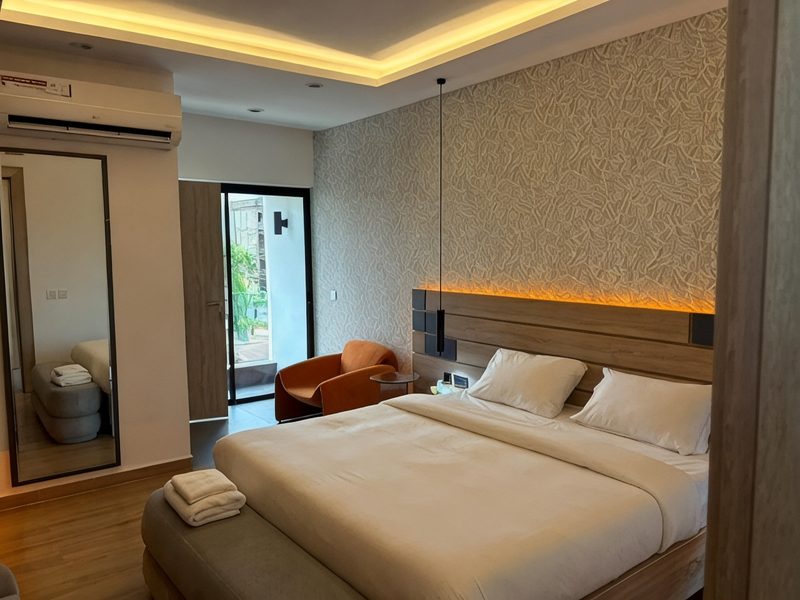
Where to Stay in Benin in July
Hand-picked hotels across price tiers for July travellers.
Packing Checklist
Bookmark this page — your progress is saved between visits
Need the full list with shopping links?
Climate-specific gear, brand recommendations, and what to leave at home.
View Benin Packing List →Essential Tips
Insider knowledge and common pitfalls to avoid
Insider Knowledge
Locals beat July humidity by shifting their day. Serious business happens early. Follow their lead: be out by 7 AM, retreat to a café or hotel during peak heat (12-3 PM), then re-emerge as late afternoon light turns golden.
The best breeze in Cotonou isn't beachfront. It's on the long, concrete jetty near Port de Pêche. Go early evening. Watch pirogues come in. The air smells of salt and diesel. The wind is unimpeded.
If an afternoon storm catches you in a market, don't just hide. You'll see the system at peak efficiency. Tarps unfurl. Goods covered in seconds. Laughter fills the space as everyone squeezes under awnings. It's unscripted community.
For a local meal, find a *maquis* (open-air restaurant) serving *agneau grillé* (grilled lamb) with *alloko* (fried plantains). Hear meat sizzle over charcoal. Taste mustard-onion sauce. Drink cold beer. It's the classic West African night out.
Avoid These Mistakes
Underestimating hydration needs is common. You're not just quenching thirst. You're replacing what humid air pulls from you. Carry water always. Sip constantly, even without thirst.
Packing only shorts and t-shirts is a mistake. Benin is conservative. For temples, palaces, or government buildings, men and women need knee-length pants or skirts and shoulder-covering shirts.
Cramming too much distance into one day fails. A short-looking drive can take twice as long in July due to road conditions and weather. Focus on one region daily. The coast, or the plateau. Never both.
Ready to plan your trip to Benin?
Now that you've got the research covered, here's where to go next.
Explore More Activities in Benin
Didn't see anything interesting yet?
Browse Viator's full catalog of tours, day trips, food experiences, and private guides in Benin.
See All Benin Tours on Viator