Benin - Things to Do in Benin in June

Things to Do in Benin in June

June weather, activities, events & insider tips

Fair time to visit Low Season · Budget Friendly

June Weather in Benin

Temperature, rainfall and humidity at a glance

37°F (3°C) High Temp
35°F (2°C) Low Temp
0.5 inches (13 mm) Rainfall
70% Humidity
⚠ June marks the onset of peak malaria transmission season across southern and central Benin. Anti-malarial prophylaxis, DEET repellent, and treated bed nets are non-negotiable. This matters near lagoon and lakeside areas around Cotonou and Lake Nokoue where standing water breeds Anopheles mosquitoes in high density. ⚠ Atlantic riptides along Benin's 121 km (75 mile) coastline are dangerously strong in June due to increased swell from southern storms. Several drownings occur each rainy season at unguarded beaches between Cotonou and Grand-Popo. Do not swim in the ocean without confirmed local guidance on current conditions at the specific stretch of beach. ⚠ Laterite roads in northern departments (Atakora, Donga, Alibori) become treacherous after sustained rain. Flash flooding on low-lying road sections between Djougou and Natitingou can cut transit for hours. If traveling north, carry extra water and a charged phone with local airtime. Allow double the dry-season travel time.

Is June Right for You?

Weigh the advantages and considerations before booking

Advantages
  • + June sits squarely in Benin's grande saison des pluies in the south. Sounds like a problem. It is not. The laterite plateaus around Abomey turn rust-red against violent green bush. Lake Nokoue swells. The Tofinu fishermen of Ganvie run their pirogues through channels usually too shallow to navigate. The Oueme River valley floods into a seasonal wetland that pulls migrant wading birds south from the Sahel. Photographers and birders see a version of the country dry-season visitors never witness. Worth it.
  • + Tourist traffic in Benin stays thin year-round. June thins it further. At the Route des Esclaves in Ouidah you might walk the entire two-kilometre path from the Place Chacha to the Door of No Return memorial on the beach alone. No other foreign visitors. The Royal Palaces of Abomey, a UNESCO World Heritage site that draws school groups and organized tours in December through February, go quiet enough in June that site custodians walk you through the bas-relief histories at their own pace. They point out details the laminated guides skip.
  • + Accommodation rates drop across the board in June. Properties in Cotonou's Haie Vive neighbourhood and along the Ouidah coast that command premium-season rates from November through March come down to mid-range or even budget-friendly territory. You gain real negotiating use at guesthouses in Porto-Novo and the Pendjari gateway town of Tanguieta. Fixed-price booking systems are the exception there, not the rule.
  • + June's rain pattern in southern Benin is manageable. Downpours arrive in sharp, concentrated bursts, often between early afternoon and evening, then stop as suddenly as they started. Mornings are typically clear enough for outdoor sightseeing from around six until noon or one o'clock. That gives you a solid six to seven hours before the sky darkens. The air after a storm drops a few degrees. It smells of wet earth and frangipani. Streets empty just long enough for you to duck into a maquis for a cold Flag beer and a plate of grilled tilapia with piment. Pack rain gear.
Considerations
  • Road conditions in northern Benin deteriorate seriously in June. The laterite pistes between Natitingou and the Pendjari National Park entrance become rutted and occasionally impassable after sustained rain. Even the main RNIE routes develop soft shoulders and standing water. If Pendjari is the reason for your trip, you will likely need a properly equipped four-wheel-drive vehicle. Expect travel times to double compared to dry-season estimates. Some safari lodges close or operate on reduced schedules. Plan accordingly.
  • Humidity in the coastal cities sits at a thick, persistent 70% or higher through June. The equatorial sun punches through cloud cover with a UV index around 8 even on overcast days. The combination feels suffocating between about ten in the morning and three in the afternoon, in Cotonou. Diesel exhaust from the zemidjan motorcycle-taxis mixes with warm air into a haze that clings to skin and clothing. Air conditioning is not a given outside higher-end hotels. Ceiling fans are sometimes all that separates you from a sleepless night. Book wisely.
  • Mosquito populations increase with the rains. June marks the beginning of peak malaria transmission season in most of Benin, in standing-water zones around Cotonou's lagoon, the Oueme Valley, and rural areas across the Zou and Collines departments. Anti-malarial prophylaxis is not optional this month. You will want long sleeves after dusk, DEET-based repellent, and a treated bed net even in hotels that claim to spray. The risk is real. The nearest reliable medical facilities outside Cotonou are sparse. Take this seriously.

Best Activities in June

Top things to do during your visit

June in Benin smells like wet earth and charcoal. Rain arrives in quick, blunt bursts, and Cotonou slows to match the rhythm. No festivals crowd the calendar. Instead you get daily life without the tourist scrum. Locals duck under awnings, then carry on. The air stays cool, the dampness constant. Skip the headline events. The real action is in Ouidah's sacred forests and the lagoon commerce of Ganvie. Weekends mean markets that throb with drums and scheduled Vodun dances, year-round fixtures, not seasonal rarities. June favors sheltered moments: the hum of electric bikes on slick streets, the hush of a painting studio while rain taps the tin roof.

Private Full-Day Cultural Tour in Cotonou Ganvie and Ouidah

Private Full-Day Cultural Tour in Cotonou Ganvie and Ouidah

day_trip
4.4 12 reviews from $289

This private tour stitches southern Benin into one hard-hitting arc. You will start in Cotonou's port chaos, glide through Ganvie's stilt village where water slaps wooden poles, and end on Ouidah's Slave Route, sand hot underfoot at the Door of No Return.

Full day. Expensive. Early start to dodge afternoon downpours.
It crams present bustle, lake life, and sober history into a single, graspable day.
Insider tip: Ask your guide to name the sacred trees along the Route des Esclaves. Their meanings rarely reach independent visitors.
Electric Bike Tour EN Cotonou

Electric Bike Tour EN Cotonou

guided_experience
4.9 7 reviews from $77

An electric bike lets you nose through Cotonou at pavement level. You will smell brochettes sizzling, feel Atlantic humidity on your face, and slip between markets and ministries without breaking sweat.

Half day. Moderate. Late afternoon, after heat but before night rain.
It is the quietest, quickest way to taste the city's dense sound soup.
Insider tip: Pull over beside Dantokpa Market and listen: vendor shouts, cart wheels on wet concrete, a commerce symphony.
Private tour of Benin 3 days (Cotonou, Lake Ganvie, Ouidah)

Private tour of Benin 3 days (Cotonou, Lake Ganvie, Ouidah)

private_tour
4.5 4 reviews from $1500

Stay overnight. You will hear Ganvie go hush after day-trippers leave and wake to morning drumbeats in Ouidah. Dinner is capitaine fish, smoky from the grill. Your fingers trace the rough Portuguese Fort walls.

3 days. Expensive. Any flexible day.
Extra hours flip sightseeing into living memory.
Insider tip: Ask for an evening stroll in Ganvie. Lanterns shimmer on black water once the tour boats vanish.
Zangbeto Dance and Cultural Tour in Ouidah

Zangbeto Dance and Cultural Tour in Ouidah

guided_experience
5.0 3 reviews from $289

The Zangbeto dance is pure voltage. Costumed figures, non-human spirits, spin towers of raffia to thunderous drums. You will feel the thud in your chest.

Half day. Expensive. Late afternoon or early evening, as set by the community.
It is the most visually arresting Vodun rite you can watch without a film crew.
Insider tip: Nail down the exact start time when you book. Shows are scheduled, not continuous.
Cotonou Private Tour

Cotonou Private Tour

private_tour
5.0 3 reviews from $250

A private Cotonou tour bends to your whims. Touch fishing pirogues on the beach, photograph the red-white cathedral stripes, or chase herb scents through Grand Marché alleys.

Half day. Expensive. Morning, when markets roar.
You get a city primer shaped only by your curiosity, with a guide to decode it.
Insider tip: Request a stop at a maquis for dèguè, chilled millet-yogurt pearls.
Painting Experience in Cotonou

Painting Experience in Cotonou

guided_experience
5.0 2 reviews from $59

In a Cotonou studio you will smell acrylic and turpentine while stretching paint across local fabric. You leave with your own canvas, not a souvenir.

2-3 hours. Budget. Midday, perfect while rain drums outside.
It is a creative breather from temples and forts.
Insider tip: Wear clothes ready for splatter. Nobody stays tidy here.

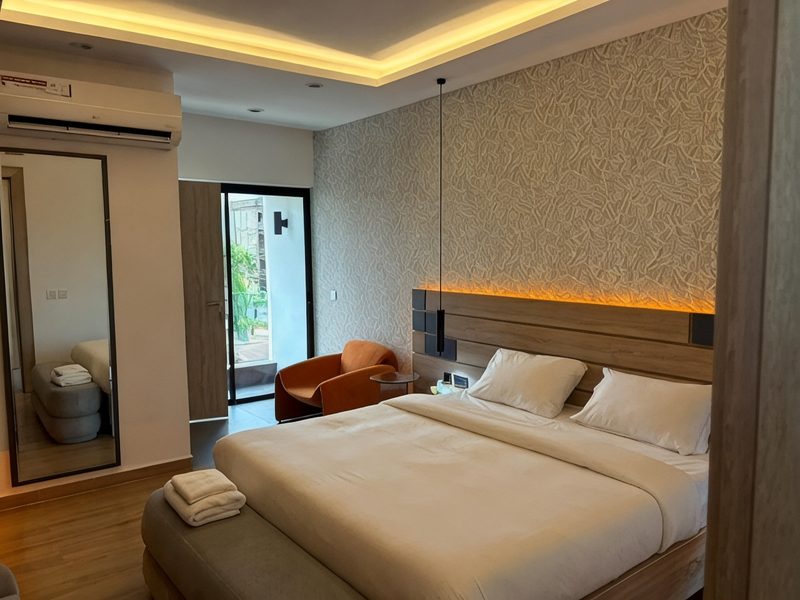
Where to Stay in Benin in June

Hand-picked hotels across price tiers for June travellers.
June Events & Festivals

What's happening during your visit

Throughout June (dates follow lunar and agricultural calendars. Ask locally)
Fete du Vodun (Vodun Festival) Observances

While the National Vodun Day is officially January 10, June sees active local Vodun ceremonial cycles in the coastal towns between Ouidah and Grand-Popo as communities mark seasonal transitions tied to agricultural and fishing calendars. These are not staged tourist events. They are genuine religious observances. Expect Zangbeto masquerade appearances in village squares after dark, where the spinning haystack-like figures move to drum rhythms that start low and build until the ground seems to vibrate. If you are in Ouidah or the surrounding villages when a ceremony is announced, ask your hotel or guide for protocol. Attendance by outsiders is usually welcomed. Photography rules vary by ceremony and must be confirmed with the presiding vodunon (priest) before you raise a camera. The sound of the drums, the wood-smoke from ritual fires mixing with the salt air off the coast, the absolute seriousness with which participants engage: this is not performance. It is practice.

Packing Checklist

Bookmark this page — your progress is saved between visits

Need the full list with shopping links?

Climate-specific gear, brand recommendations, and what to leave at home.

View Benin Packing List →

Essential Tips

Insider knowledge and common pitfalls to avoid

Insider Knowledge
The zemidjan motorcycle-taxis that swarm every intersection in Cotonou are the fastest way to move through the city, but June's wet roads make them riskier than usual. Negotiate the fare before you mount. Hold the grab rail behind you rather than the driver. Refuse any ride in active rain. Experienced expats switch to taxi-motos only for short hops under 3 km (1.9 miles) during the rainy season and use regular taxis or ride-hailing apps for anything longer. The fare negotiation itself is a skill: name a number, the driver counters, you settle somewhere in between. Never accept the first price. Beninese food is built around starchy bases with intensely flavoured sauces, and the one dish you should not leave without eating is amiwo: a cornmeal porridge cooked in tomato and crab stock until it turns orange-red, served with grilled chicken or fried fish and a punishing piment sauce on the side. The women who run the roadside maquis cook it better than the hotel restaurants. The version you will find at the informal cookhouses along the Cotonou-Ouidah road has a depth of crab flavour that the city versions dilute. Point at what other diners are eating if the menu is in Fon rather than French. Benin's Vodun heritage is not a tourist attraction. It is a living religious practice with over sixty percent of the population participating in some form. The Python Temple in Ouidah, the fetish stalls at Dantokpa, and village Zangbeto ceremonies are windows into genuine belief systems, not themed experiences. Ask permission before photographing anything associated with a shrine or ceremony. Offerings left at crossroads, tied to trees, or placed at doorways are not litter and should not be touched. The reverence is not performative. Your respect will be noticed and reciprocated with access and conversation that casual visitors miss. For safety, Benin is generally one of the more stable countries in West Africa. June's low tourist numbers mean you will stand out more visibly in markets and transport hubs. Petty theft at Dantokpa is a known risk. Carry only what you need for the day in a front-body bag and leave passports and backup cash at your hotel. Avoid walking the Cotonou lagoon shore and the beach east of the Novotel after dark. Outside the cities, the biggest hazard is road condition rather than crime. Flooded roads between Natitingou and Pendjari can strand vehicles for hours. Always travel with water and a phone with local credit.
Avoid These Mistakes
Treating Benin as a beach destination in June. The coastline from Cotonou to Grand-Popo has Atlantic-facing beaches with powerful riptides year-round, and June's swells make swimming dangerous at most unguarded stretches. The ocean here is not the calm turquoise of the travel brochure. It is a grey-green churning surf with undertow that kills local fishermen every season. Enjoy the beach for walks and seafood. Do not swim unless locals confirm the specific spot is safe on the day you are there. Booking a Pendjari safari in June without confirming road access and lodge availability. Several safari lodges close between May and November. The park tracks become impassable mud after sustained rain, and wildlife disperses from the waterholes that concentrate animals during the dry season. If Pendjari is non-negotiable, call ahead. Confirm the specific tracks your operator plans to use are open. Expect a different, greener, less game-dense experience than the dry-season norm. Assuming French fluency is optional. Benin is Francophone, and outside of the highest-end hotels in Cotonou, English is rarely spoken. Even basic transactional French transforms your ability to negotiate transport, order food, ask for directions, and understand safety information. The local languages, primarily Fon in the south and Bariba or Dendi in the north, appear on market stalls and bus routes that French alone does not decode. French remains the operational lingua franca. Download an offline French dictionary before departure. Data coverage outside Cotonou's core is patchy.
Explore More Activities in Benin

Didn't see anything interesting yet?

Browse Viator's full catalog of tours, day trips, food experiences, and private guides in Benin.

See All Benin Tours on Viator